
Front Yard Privacy Ideas: Your front porch feels like a stage, and every car that slows down at the stop sign is the audience. You want to sit outside without waving at strangers every ten minutes but a wall of vinyl fencing would turn your welcoming entry into a fortress, and half these ideas below are things your HOA won’t even blink at.
Here’s the secret landscape designers use that most front-yard guides skip entirely: you don’t need to block the whole yard, you only need to block the three or four exact sightlines where people actually look. Get that right, and idea #6 below can make a completely open front yard feel private within a single growing season.
Save this list you’ll want to reference it again once you walk your yard and map your own sightlines.
Why “No Fence” Is Actually the Better Design Choice
A tall fence solves privacy in one dimension and creates three new problems: it can violate front-yard height ordinances in many municipalities (often capped around 3–4 feet), it reads as unfriendly to the street, and it removes the “eyes on the block” openness that makes a neighborhood feel safe. Landscape designers increasingly treat plant-based and structural privacy as the better option, not the fallback because it can be shaped, layered, and softened in ways a flat fence panel never can.
The ideas below are grouped into three approaches: plant-based screening, structural elements that aren’t fences, and layout tricks that reduce exposure without blocking anything at all.
Plant-Based Privacy (No Construction Required)
1. Plant an Evergreen Hedge But Choose the Right Species
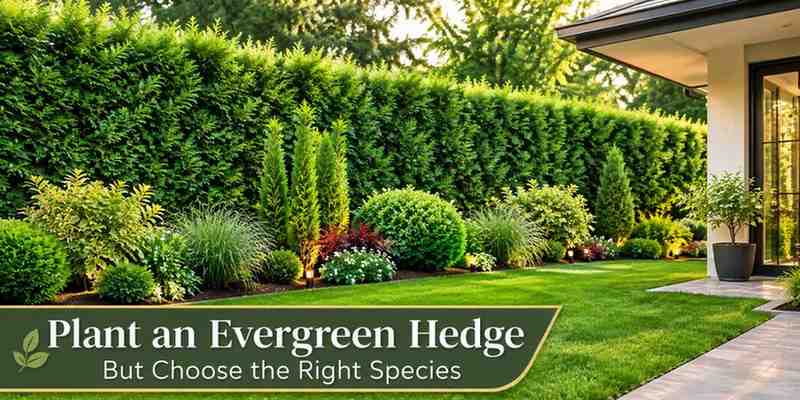
A tight row of evergreen shrubs is the classic privacy solution for a reason: it works year-round and only needs planting once. Arborvitae, Nellie Stevens holly, and boxwood are the most commonly recommended options because they hold a narrow footprint while still growing tall meaning they screen sightlines without swallowing the whole front bed.
Save-worthy tip: Narrow, columnar varieties block views without encroaching on sidewalks or driveways the way a wide shrub eventually will.
2. Layer Plantings Instead of Building One Solid Wall of Green
The single biggest upgrade over a plain hedge is layering: tall evergreens in back, mid-height flowering shrubs in front, and a low border of perennials or ornamental grasses at the edge. This creates depth and visual interest while still doing the privacy work and it avoids the “fortress” look a single monolithic hedge can create.
3. Plant Only Where the Sightline Actually Needs It
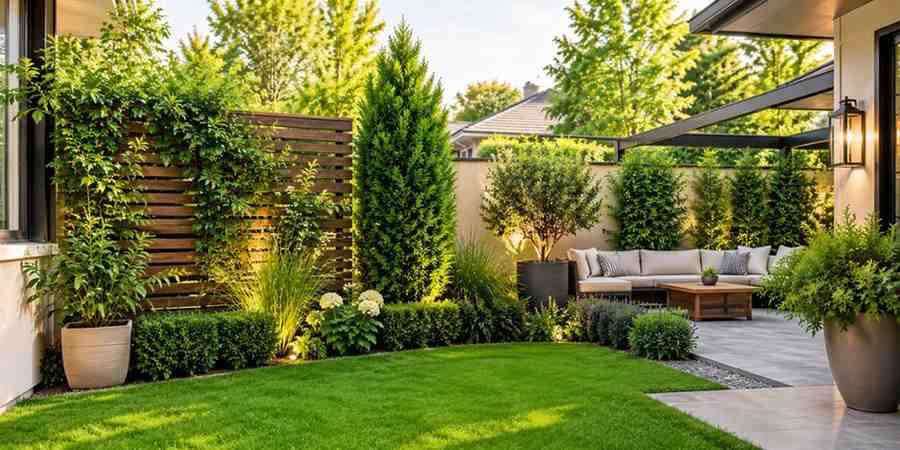
This is the idea most privacy guides skip. Instead of screening the entire yard evenly, walk out to the sidewalk and identify the two or three specific spots where passersby can see straight into your porch or windows. Concentrate your planting mass there usually in the 3- to 6-foot height range and leave the rest of the yard open. The result feels like an entrance, not a barrier, and it’s dramatically cheaper than screening wall-to-wall.
Read More: 18 Cheap Front Yard Makeover Ideas That Still Look Expensive
4. Use Ornamental Grasses for Movement and Softness
Tall ornamental grasses switchgrass, feather reed grass, or maiden grass add screening height without the rigid, walled-off feeling of shrubs. They move in the wind, which softens the whole front yard visually, and they pair beautifully in front of a taller evergreen layer as the “seasonal interest” tier.
5. Add Flowering Shrubs in Key Spots Instead of a Continuous Hedge
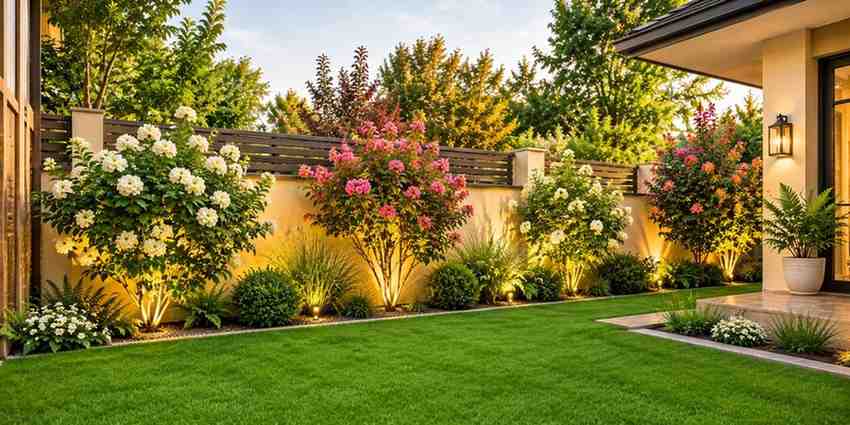
You don’t need a tall hedge or fence to gain real privacy; a few well-placed flowering shrubs or small ornamental trees at strategic points can block a sightline just as effectively as a continuous row, while keeping the yard feeling open and welcoming rather than sealed off.
6. Plant a Small Ornamental Tree Near the Porch
A single well-placed small tree, a multi-stem serviceberry, crepe myrtle, or similar ornamental variety can screen a porch sightline almost entirely once mature, while leaving the rest of the yard completely open. This is the fastest single-plant fix for a porch that feels exposed, and often the one move that makes an entire front yard feel private within one growing season.
7. Grow a Living Screen With Fast-Growing Vines
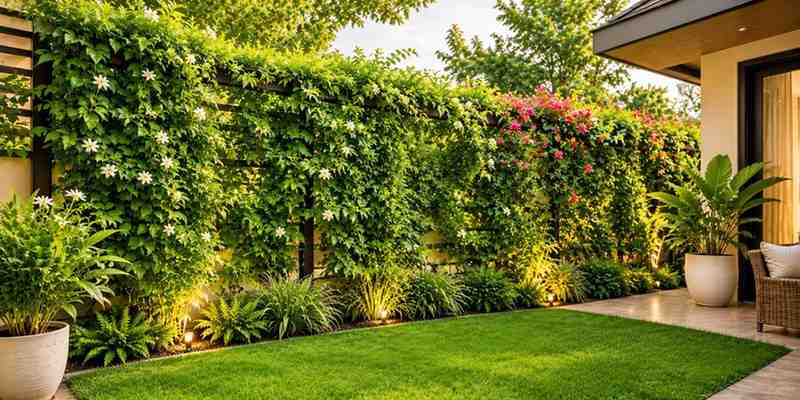
Climbing vines, clematis, climbing hydrangea, or honeysuckle trained on a simple support create a living wall of privacy without a single fence panel. Bamboo is another option for fast, dense screening, but choose clumping (not running) varieties or contain it in beds with a root barrier, since running bamboo can become invasive fast.
8. Use Tall Container Plants for Instant, Movable Screening
Large planters with tall “thriller” plants in the center offer near-instant privacy gratification compared to in-ground planting, and the entire screen can be repositioned or resized as your needs change. Pair trailing “spiller” plants around the edges with tall upright plants in the middle for a designed, layered look in a single container.
Structural Privacy (Still Not a Fence)
9. Install a Freestanding Low Wall
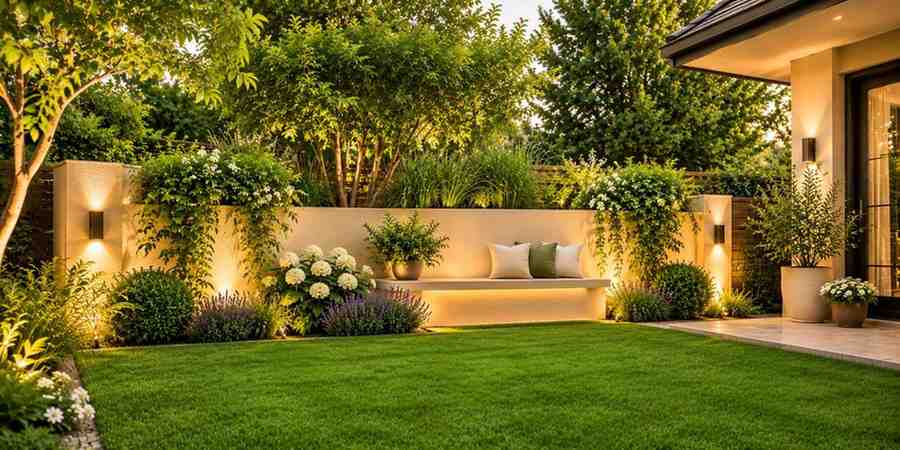
A low wall often the same height as a fence would be limited to by local ordinance creates a real sense of “this is my space” without the visual weight of a full fence. Painted in a crisp, light color, a low wall can feel architectural rather than defensive, especially paired with a raised planting bed in front of it.
10. Build a Retaining Wall That Doubles as a Privacy Boost
If your front yard has any grade change from sidewalk to house, a retaining wall does double duty: it manages the slope and elevates your plantings, giving screening plants a head start in height before they’ve even grown. This is a more involved project, but it solves two problems: grading and privacy with one structure.
11. Add an Arbor or Pergola at the Entry Point
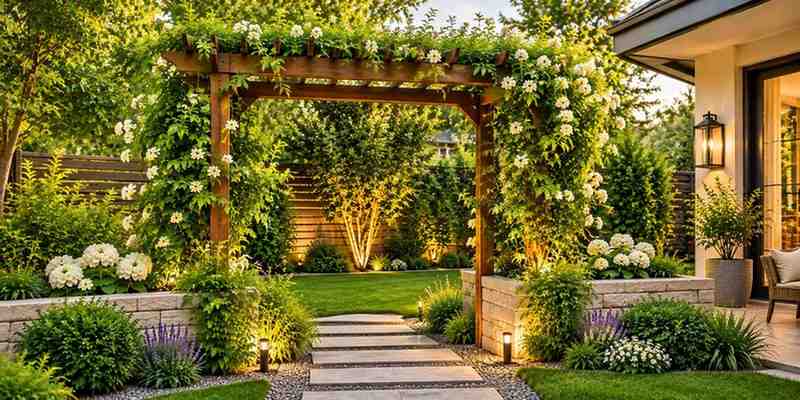
A freestanding arbor at the start of a front walkway creates a sense of entering a private space the moment someone steps through it, even without any fencing on either side. Cover it in climbing roses or clematis, and it becomes both a privacy gesture and a genuine curb-appeal feature, a rare two-for-one.
12. Use a Trellis to Screen a Specific View
Where a hedge would take up too much bed space, a slim trellis covered in climbing plants can screen a single window, porch corner, or side sightline in a fraction of the footprint. This is ideal for narrow side strips where there isn’t room for a full plant bed.
13. Add Hanging Baskets Along a Low Wall or Rail
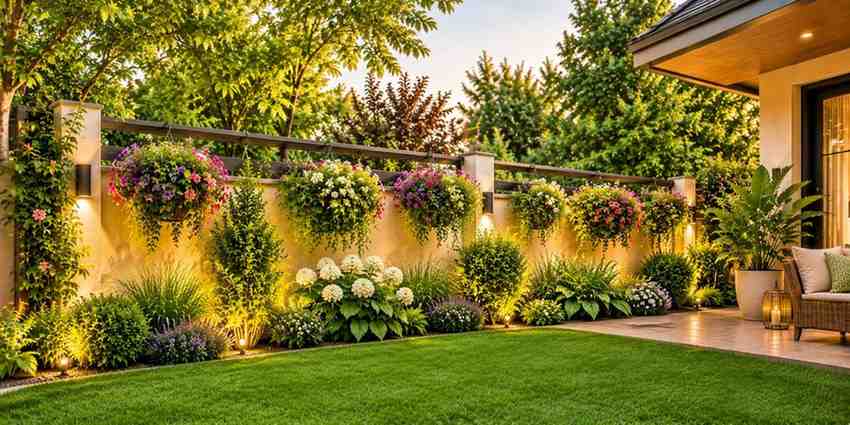
If you already have a low wall, porch rail, or fence-adjacent structure, hanging baskets along the top add height and softness at eye level enough to interrupt a direct sightline into a porch without adding any new structure at all.
Layout Tricks (No Plants or Structures Needed)
14. Rethink Seating Placement Before You Add Any Screening
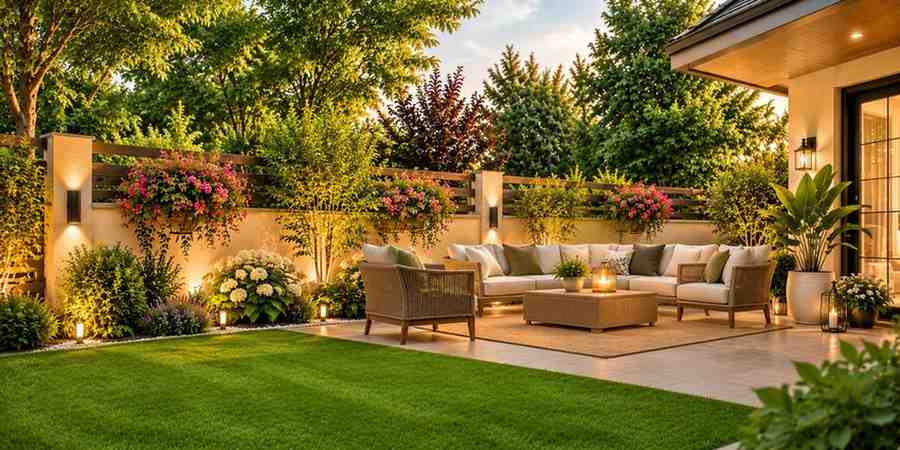
Sometimes the fastest fix isn’t adding privacy at all; it’s moving the seating a few feet to one side, out of the direct sightline from the sidewalk. This costs nothing and often solves 80% of the “exposed” feeling before a single plant goes in the ground.
15. Choose a Semi-Opaque Boundary Over a Fully Solid One
Not every front yard needs total privacy. A “social front yard” with gaps think a row fence, hog-wire, or spaced plantings trades some privacy for openness and neighborliness. If total seclusion isn’t actually your goal, a semi-opaque boundary can strike the balance without feeling closed off.
16. Check Local Ordinances Before You Plant or Build Anything
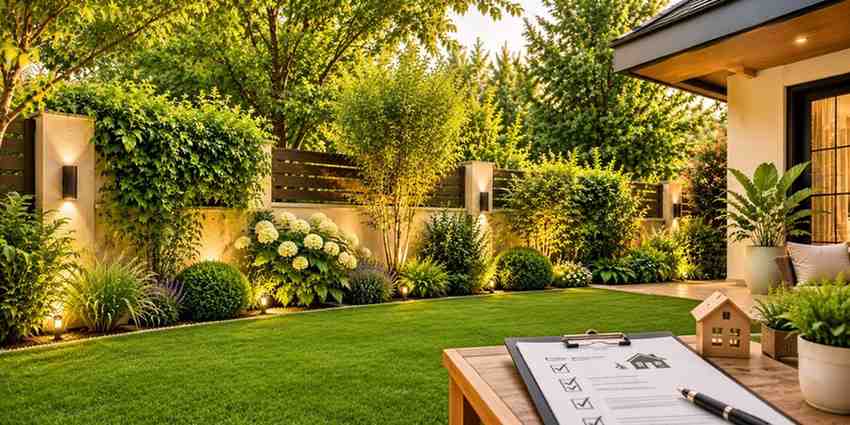
This is the step almost every homeowner skips, and it’s the one that saves the most regret. Many municipalities cap front-yard fences and wall height at 3–4 feet, and some HOAs have similar restrictions on hedges near sightlines and driveways. A five-minute call to your local planning office before you plant a hedge that will eventually hit eight feet can save you a removal order later.
Quick recap you can screenshot:
- Evergreen hedge 2. Layered plantings 3. Target the sightline 4. Ornamental grasses 5. Flowering shrubs at key spots 6. Small ornamental tree 7. Living vine screen 8. Tall container plants 9. Low freestanding wall 10. Retaining wall 11. Entry arbor/pergola 12. Trellis for a single view 13. Hanging baskets 14. Reposition seating 15. Semi-opaque boundary 16. Check ordinances first
Front Yard Privacy by Approach
- Fastest (one season or less): container plants, hanging baskets, repositioned seating, trellis with fast vines
- Most cost-effective: targeted planting at sightlines only, semi-opaque layout choices, checking ordinances before spending anything
- Longest-lasting: evergreen hedge, retaining wall, low freestanding wall, entry arbor
Frequently Asked Questions
How do I add privacy to my front yard without a fence?
Layered plantings, tall evergreens or small trees combined with mid-height shrubs and grasses are the most common no-fence solution, along with structural options like low walls, arbors, and trellises.
What is the fastest way to get front yard privacy?
Large container plants with tall, upright “thriller” plants offer the most immediate screening, since they arrive already at height rather than needing to grow into it.
Do I need permission to plant a privacy hedge?
Usually not for planting itself, but to check whether your municipality or HOA restricts hedge height near sidewalks, driveways, or corner sightlines the same rules that limit fence height often apply.
Will privacy plants make my front yard feel closed off?
Only if you screen the entire yard uniformly. Targeting just the specific sightlines that expose your porch or windows keeps the rest of the yard open and welcoming.
Bringing It All Together
Real front yard privacy isn’t about building a wall, it’s about identifying the two or three sightlines that actually bother you and addressing those specifically, whether with a single ornamental tree, a layered planting bed, or a simple trellis. Start with idea 3 (mapping your sightlines) before you spend a dollar on anything else it’s the step that tells you exactly which of the other 15 ideas will solve your actual problem instead of just adding more yard to maintain.