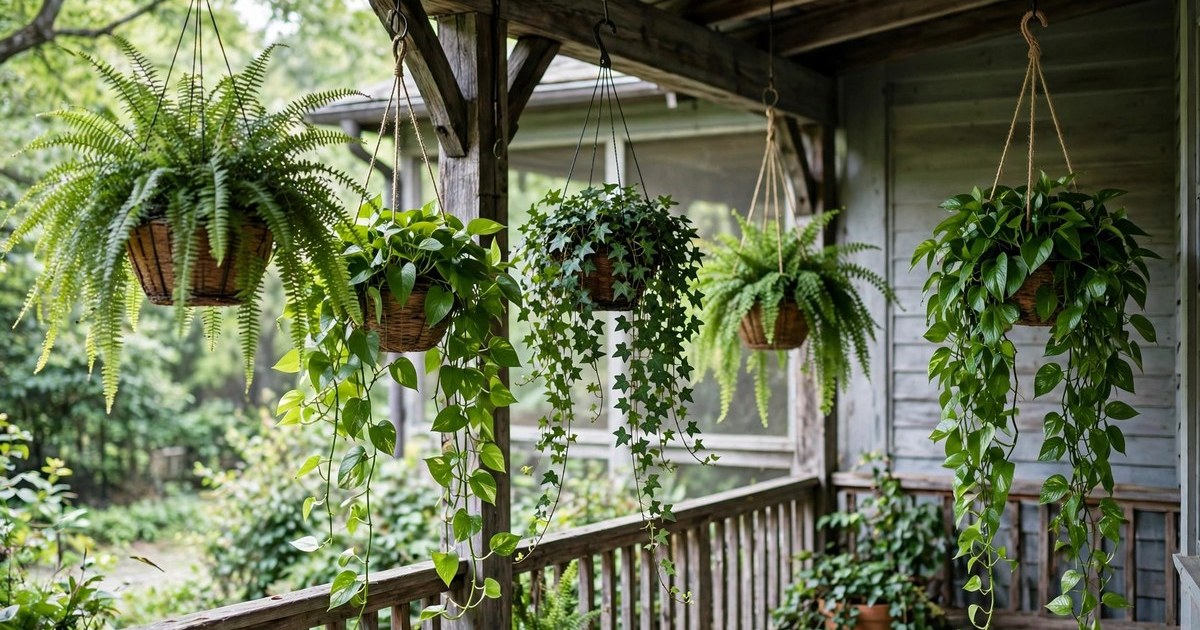
10 hanging basket plants for shade can turn a shady porch, a north-facing balcony, or a dim corner into a green, layered space. You do not need a sunny garden, a large yard, or years of practice. You need plants that cope with shade, a basket that drains, and a watering habit you can keep.
Hanging baskets use the air, not the floor, so they suit small spaces well. A basket on a hook frees up bench and floor space while putting plants at eye level. The 10 hanging basket plants for shade below were chosen because they trail well, cope with low light, and look good for months.
This guide gives you ten plants you can trust, with clear notes on growing each one in a basket. Pick one or two to start, then add more once you see how they cope with your shade.
Table of Contents
What Shade Means for a Hanging Basket
Shade for a hanging basket means a spot that gets no direct sun, or only a little gentle morning sun. A north-facing balcony, a porch under a roof, or a wall that faces away from the sun all count as shade. The light is soft and even, but it is still daylight, and most shade plants need it.
A hanging basket dries faster than a pot on the ground, because air moves around it on all sides. In shade, that drying is slower than in sun, but a basket still needs checking more often than a floor pot. Wind makes the drying faster, so a sheltered hook suits most shade plants.
The good news is that many of the best trailing plants prefer shade. Ferns, ivy, and trailing leafy plants all grow well without direct sun. The 10 hanging basket plants for shade in this guide prove that a shady spot can be just as green as a sunny one.
10 Hanging Basket Plants for Shade
The 10 hanging basket plants for shade below suit baskets, wall hooks, and porch brackets in a small space. Some trail long, some stay neat, and some give flowers. Read the notes for each plant, then choose the ones that fit your shade and your basket.
1. Boston Fern
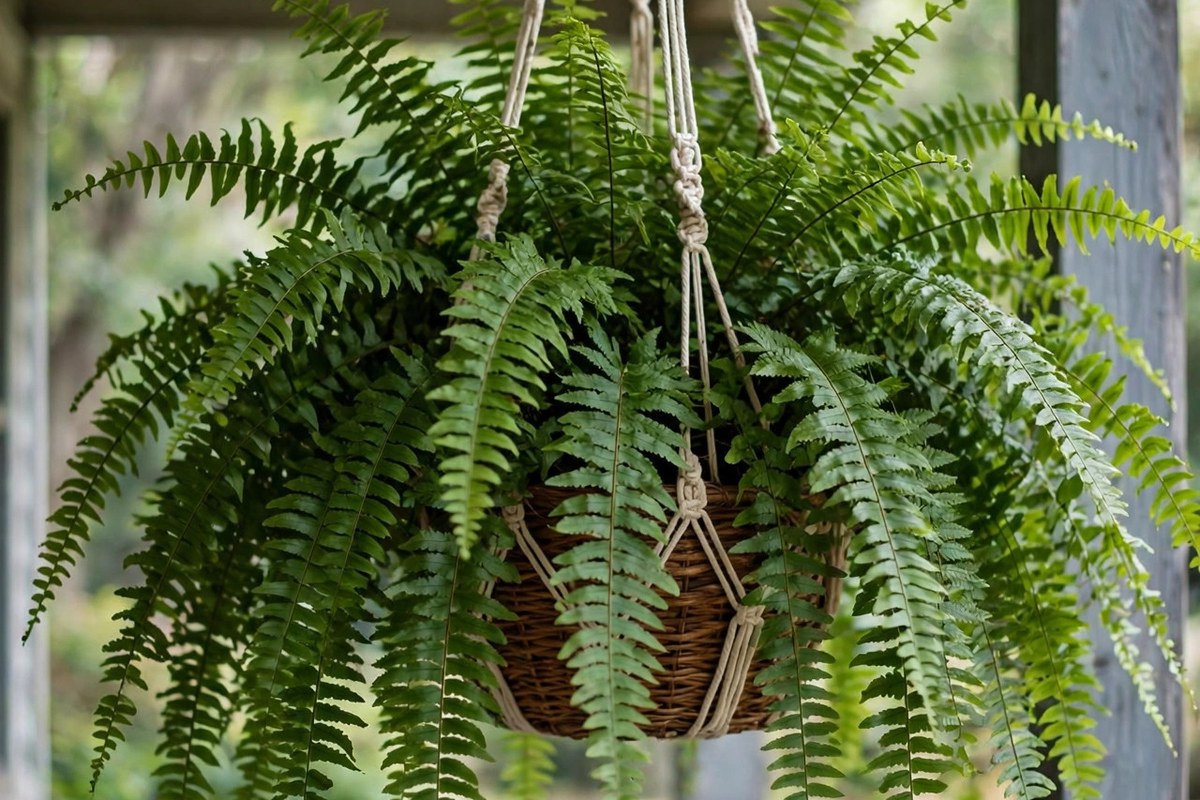
Boston fern grows arching green fronds that spill over the edge of a basket in a soft, full shape. It suits shady porches and anyone who wants a classic hanging plant. A full fern can fill a basket within a season.
Among the 10 hanging basket plants for shade, Boston fern is one of the best for deep shade. Hang it in a spot with no direct sun, keep the soil lightly moist, and mist the fronds on dry days. It likes humidity, so a sheltered porch suits it well.
Pro tip: soak the whole basket in a bucket of water when the soil feels dry. Mistake to avoid: letting the soil dry out completely, because dry fronds turn brown and do not recover.
2. Pothos
Pothos is a trailing vine with heart-shaped leaves in green, gold, or white. It suits beginners and small spaces, because it grows fast and needs little care. A single plant can trail a metre or more from a basket.
Among the 10 hanging basket plants for shade, pothos is one of the easiest to grow. Hang it in soft, indirect light and water when the top inch of soil feels dry. It grows in standard houseplant mix, so trim long stems in spring to keep it full.
Pro tip: wind long stems back into the basket to keep it full. Mistake to avoid: hanging it in a spot with no daylight at all, which fades the leaf colours.
3. Spider Plant
Spider plant grows arching, striped leaves and sends out small plantlets on long stems. It suits hanging baskets and anyone who likes a plant that makes more plants. The plantlets dangle below the basket and can be potted on.
Hang spider plant in soft, indirect light and water when the top inch of soil feels dry. It copes with shade and dry air better than most basket plants. Brown leaf tips often follow dry air or salts in tap water.
Pro tip: pot the plantlets while still attached to the parent plant. Mistake to avoid: overwatering in shade, because the soil dries slowly and the roots can rot.
4. English Ivy
English ivy is a trailing plant with small, lobed leaves, often green or edged in cream. It suits baskets, wall hooks, and small trellises, and it looks neat when trimmed regularly. It stays green all year.
Among the 10 hanging basket plants for shade, English ivy is one of the toughest. Hang it in shade or light shade, keep the soil lightly moist, and trim long stems to keep it bushy. It likes cooler spots and good air movement.
Pro tip: train a few stems around the basket rim for a full look. Mistake to avoid: letting it dry out completely, then soaking it, because that cycle drops leaves.
5. Fuchsia
Fuchsia grows dangling flowers in pink, purple, red, and white above soft green leaves. It suits shady porches and anyone who wants flowers in a basket without full sun. The flowers appear for months in cool weather.
Among the 10 hanging basket plants for shade, fuchsia is the one grown mainly for its flowers, so hang it in light shade, out of strong afternoon sun, and keep the soil lightly moist. Water when the top inch feels dry, and remove faded flowers to keep new buds coming. It likes cool air and shelter from hot wind.
Pro tip: feed lightly every two weeks while it is flowering. Mistake to avoid: hanging it in hot sun, which scorches the leaves and stops the flowers.
6. Begonia
Begonia grows soft leaves and bright flowers in pink, red, white, and orange. It suits shaded balconies and anyone who wants colour in a basket. Many types flower for months in cool, shady spots.
Among the 10 hanging basket plants for shade, begonia is one of the best for flowers. Hang it in light shade, keep the soil lightly moist, and water at the base of the plant. It dislikes wet leaves and cold draughts.
Pro tip: remove faded flowers to keep the plant tidy. Mistake to avoid: overwatering in shade, because wet soil in a cool basket rots the roots.
7. Tradescantia
Tradescantia, often called inchplant, grows trailing stems with striped purple, green, and silver leaves. It suits beginners and small spaces, because it grows fast and roots easily. A few stems can fill a basket in a season.
Hang tradescantia in soft, indirect light and water when the top inch feels dry. It copes with shade, though the leaf colours are brightest with a little more light. Pinch the tips to keep the plant bushy.
Pro tip: push cuttings back into the basket to fill bare spots. Mistake to avoid: letting the stems grow long and bare, which happens when the plant gets too little light.
8. String of Pearls
String of pearls grows long, thin stems covered in small, round, bead-like leaves. It suits bright baskets and high hooks, and it looks striking hanging from a tall porch. The beads store water, so it copes with dry spells.
Among the 10 hanging basket plants for shade, string of pearls suits the brightest shade. Hang it where it gets a little gentle morning sun, and water only when the soil feels dry. It needs a very free-draining mix and a pot with drainage holes.
Pro tip: lay the stems on top of the soil to root and fill the basket. Mistake to avoid: overwatering, because the beads turn soft and drop when the roots stay wet.
9. Maidenhair Fern
Maidenhair fern grows delicate, lacy fronds on thin, dark stems. It suits shaded porches and anyone who wants a soft, fine texture in a basket. It looks light and airy next to bolder plants.
Hang maidenhair fern in deep shade, out of direct sun, and keep the soil lightly moist at all times. It likes humidity and still air, so a sheltered corner suits it best. Mist the fronds on dry days.
Pro tip: stand the basket on a tray of damp pebbles to raise humidity. Mistake to avoid: letting the soil dry out, because the fine fronds crisp quickly and do not recover.
10. Creeping Jenny
Creeping Jenny grows trailing stems with small, round, lime-green leaves. It suits baskets and anyone who wants a bright, low plant that spills over the edge. The lime colour lights up a shady corner.
Among the 10 hanging basket plants for shade, creeping jenny is one of the fastest to fill a basket. Hang it in shade or light shade, keep the soil lightly moist, and trim long stems to keep it neat. It grows well in a basket on its own or mixed with other shade plants.
Pro tip: mix it with dark green ivy for a bright contrast. Mistake to avoid: letting it dry out in a windy spot, which turns the leaves pale and thin.
How to Care for 10 Hanging Basket Plants for Shade
The 10 hanging basket plants for shade in this guide share simple care: water carefully, feed lightly, and check the basket often. Water when the top inch feels dry, and water until it runs from the drainage holes. For more basket ideas for small spaces, see our guide to 7 hanging planter ideas.
Feed lightly in spring and summer, at half the strength on the label, and skip feeding in winter. Turn the basket now and then so all sides get light. Check the hooks and chains each season, since a wet basket is heavier than it looks.
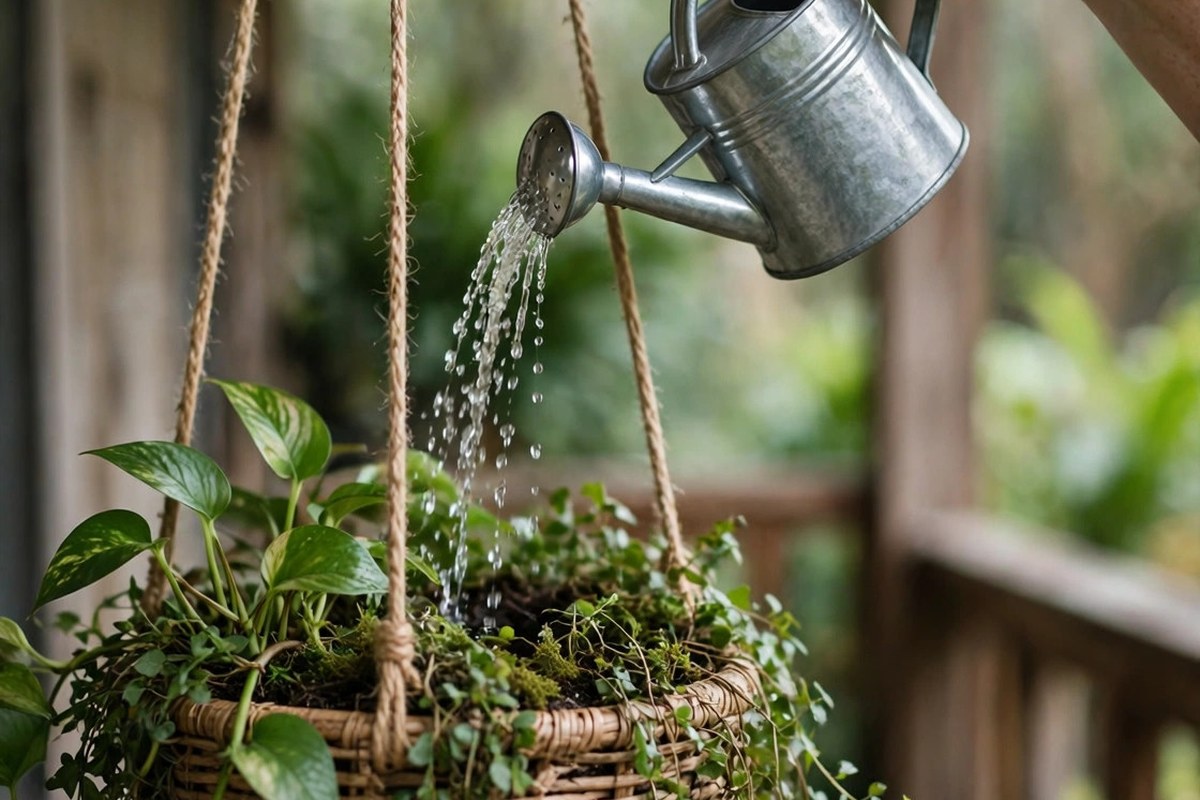
A hanging basket needs the same care as a pot, with more frequent watering. A hanging basket dries faster than a floor pot, so take it down now and then to check the soil, trim the plants, and clean the tray below.
Mistakes That Hurt Shade Hanging Baskets
The most common mistake is watering on a fixed schedule. For the 10 hanging basket plants for shade to stay healthy, water must follow the soil, not the calendar. A basket in shade dries slowly, so a weekly water can be too much in cool weather.
The second mistake is hanging a basket where it gets no light at all. A hallway with no window or a porch under a deep roof may be too dark, even for shade plants. Move the basket to the brightest shade you have.
The third mistake is using a basket with no drainage. Water that cannot escape collects at the bottom and rots the roots. Use a basket with holes, a liner that drains, and a tray that you empty after watering.
Where to Hang Baskets in a Small Space
Hang shade baskets where they get soft daylight and shelter from wind. A porch hook, a balcony bracket, or a wall hook near a window all work well. Keep the basket at eye level or above, so the trailing stems can hang freely.
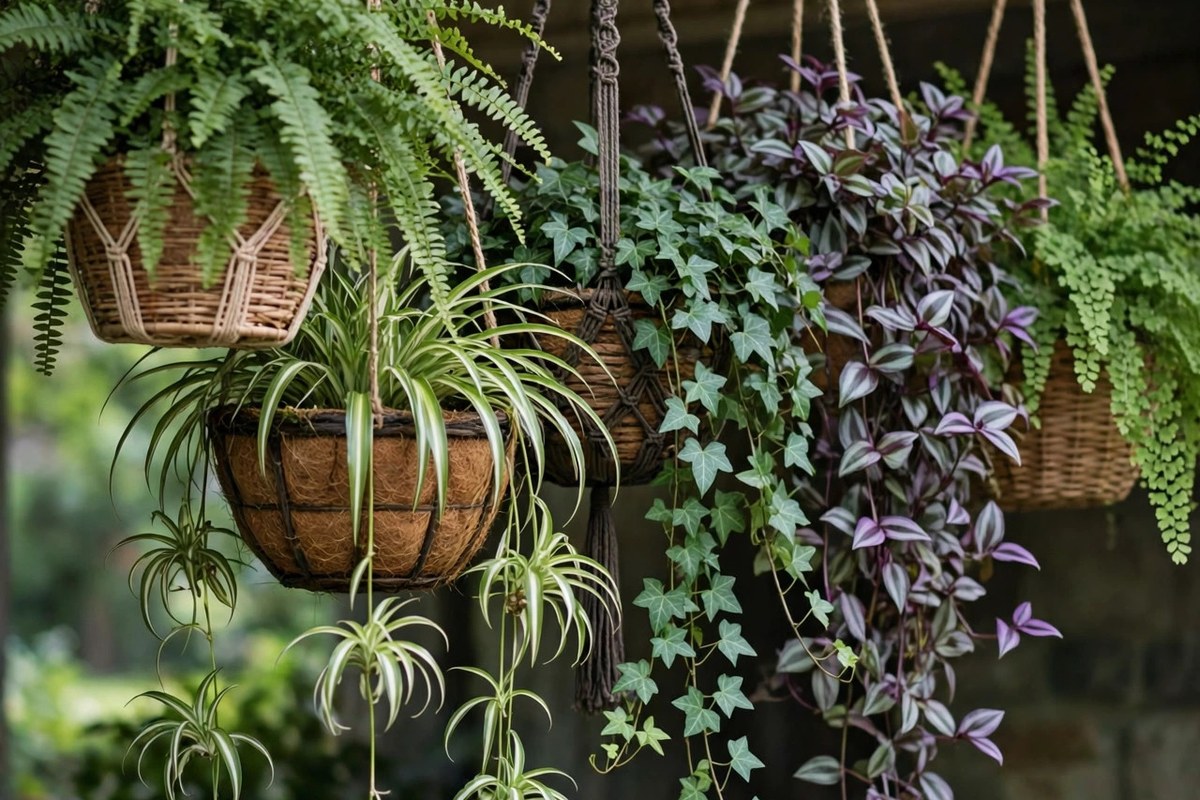
Use height to make a small space feel green without losing floor space. Hang two or three baskets at different heights for a layered look. If you also grow plants indoors, our 10 easy houseplants for low light suit the same shady corners.
Think about daily life, too, because a basket you see every day gets watered and checked. That is true for all 10 hanging basket plants for shade, so hang baskets near the door or the window you pass most often, but out of the way of heads and shoulders.
Frequently Asked Questions About 10 Hanging Basket Plants for Shade
Do 10 hanging basket plants for shade need any direct sun?
No. The 10 hanging basket plants for shade in this guide grow best in soft, indirect light. A little gentle morning sun can suit some of them, but direct midday sun can scorch the leaves.
How often should I water a hanging basket in shade?
Water when the top inch of soil feels dry, which may be every few days in warm weather and weekly in cool weather. Water until it runs from the holes, and empty the tray below so the basket never stands in water.
What is the best basket for shade plants?
A basket with drainage holes and a light, free-draining mix works best. Coir liners hold moisture well, while plastic liners need extra holes so water can escape. Choose a basket you can lift down easily for watering and trimming.
Can I hang shade baskets indoors?
Yes, if the spot gets soft daylight from a window. Hang the basket near a window with indirect light, like any houseplant, and keep it away from radiators. Indoor baskets dry more slowly than outdoor ones, so check the soil before watering.
Why are my hanging basket plants turning yellow?
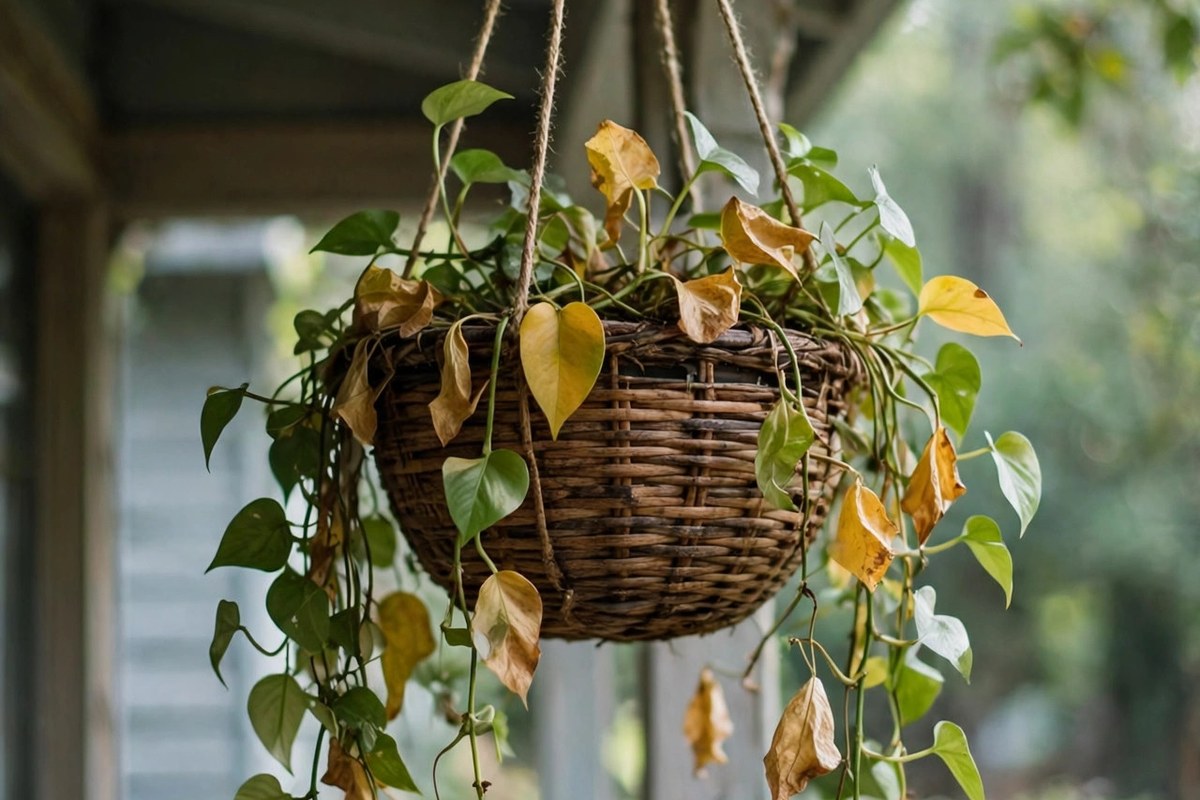
Yellow leaves often mean too much water, especially in shade. Check the soil, empty the tray, and let the plant dry out before watering again. Old leaves can also turn yellow naturally, so look at the whole plant first.
Conclusion: Fill Your Shady Spaces With Hanging Baskets
The 10 hanging basket plants for shade in this guide show that a shady spot can be just as green as a sunny one. Choose plants that cope with shade, water when the soil dries, and hang the basket where you will see it every day. Those three habits keep most basket plants healthy.
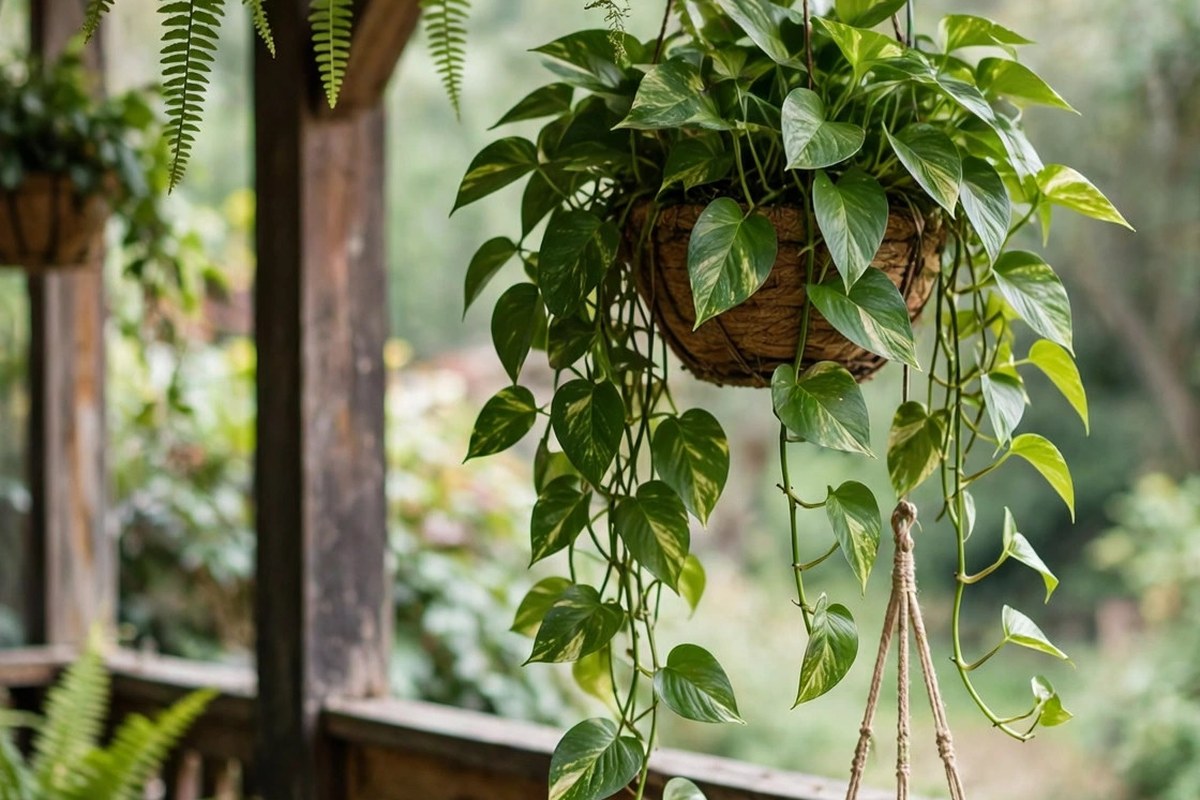
Start with pothos or spider plant for the easiest win, then add a fern or a flowering begonia once you feel sure. The 10 hanging basket plants for shade here are a good place to begin, so see our 9 vertical garden ideas for winter for more ways to grow upward in a small space.
