
Most gardeners hang up their trowel the second summer ends and that’s exactly why fall might be the most underrated growing season you’re not using. Here’s what almost nobody tells beginners: cooler temperatures mean fewer pests, less bolting, and vegetables that actually taste sweeter after a light frost. Stick around, because idea number eight below is the one trick that can stretch your harvest all the way into winter.
Whether you’ve got a full raised bed setup or just a few containers on a patio, these 13+ fall vegetable garden ideas will help you turn the “quiet season” into your most productive one yet. Let’s get growing.
1. Know Your First Frost Date Before You Plant Anything
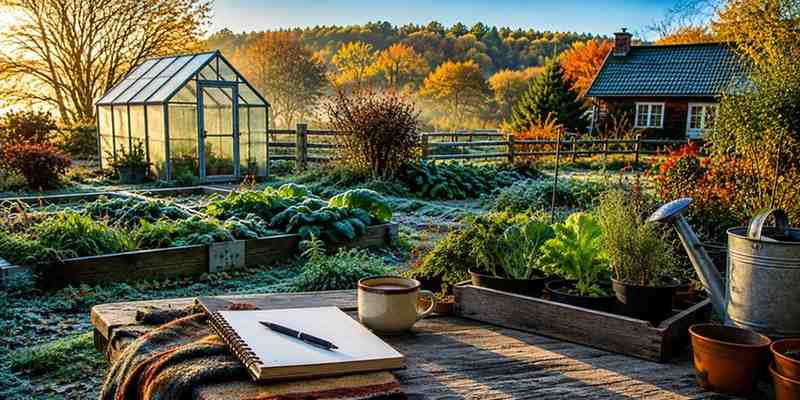
Here’s the thing: every fall garden decision starts with one number your average first frost date. Count backward from that date using each vegetable’s “days to maturity” (listed on the seed packet), and you’ll know exactly when to plant for a harvest before the cold really sets in.
Most cool-season crops need to go in the ground in late summer, not once autumn officially arrives by the time the air feels crisp, you’re often already behind. A quick search for your local extension office’s frost date chart is the fastest way to nail this down.
2. Plant Fast-Growing Greens First
Leafy greens are the fastest payoff in a fall garden, which makes them a great starting point if you’re new to cool-season growing. Lettuce, spinach, and arugula can go from seed to harvest in just 30-45 days, and all three actually prefer the cooler fall temperatures they’re prone to bolting (going to seed early) in summer heat, which fall solves automatically.
- Looseleaf lettuce: ready in about 30-45 days
- Spinach: thrives in cool soil, doesn’t bolt like it does in spring
- Arugula: fast, peppery, and cold-hardy
3. Grow Root Vegetables That Get Sweeter After Frost
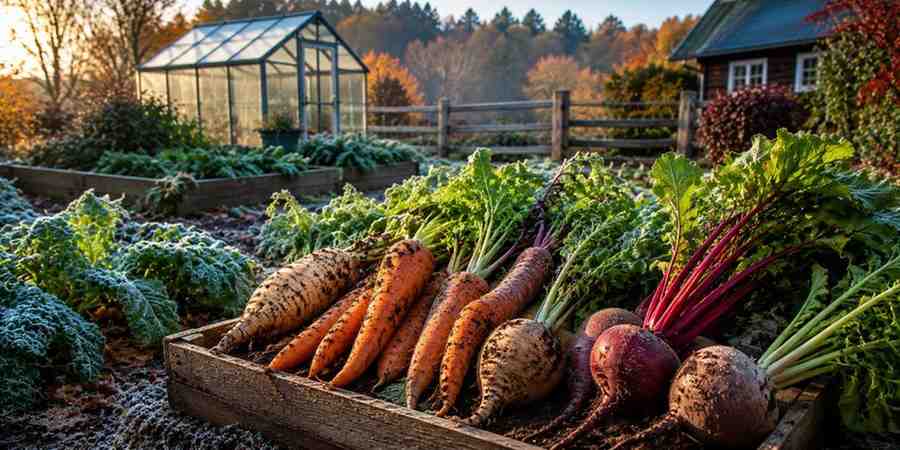
So what does this mean for you? Some vegetables aren’t just fall-tolerant they’re fall-better. Carrots, beets, and parsnips convert starches into sugars when exposed to cool temperatures, which means a light frost genuinely improves their flavor instead of damaging them.
Carrots take longer to mature (70-80 days), so get them in the ground early. Beets and radishes move faster, making them a good backup option if you’re planting a little later than planned.
Save-worthy tip: Leave root vegetables in the ground even after a light frost hits waiting a week or two after that first cold snap often means a noticeably sweeter harvest.
Read More:13+ Outdoor Seating Ideas for a Backyard You’ll Never Want to Leave
4. Plant Cold-Hardy Brassicas for a Longer Season
Broccoli, cauliflower, cabbage, and Brussels sprouts are the workhorses of a fall vegetable garden. They take a bit longer to mature than greens, but they can handle real cold once established some, like Brussels sprouts, actually hold up as the last vegetable standing when everything else has gone dormant.
Start these a little earlier than your other fall crops, since they need more time. Transplants (rather than direct-seeding) can help you get a head start if your summer heat is lingering.
5. Use Companion Planting to Cut Down on Pests
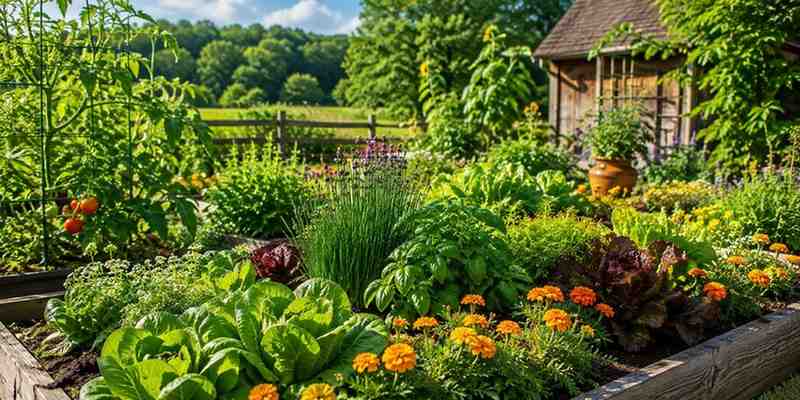
Here’s a save-worthy secret experienced gardeners swear by: pairing marigolds or nasturtiums near your brassicas (broccoli, cabbage, Brussels sprouts) helps repel cabbage moths and aphids naturally, without reaching for a spray bottle.
Companion planting isn’t just pest control, either it can improve pollination, use garden space more efficiently, and add a pop of color to an otherwise all-green fall bed.
6. Mulch Your Beds Before the Weather Turns
A solid layer of mulch does double duty in a fall garden: it insulates roots against late-summer heat while your seedlings are getting established, and later, it protects those same roots as temperatures start dropping.
Straw, shredded leaves (a genuinely free option once fall arrives), or bark mulch all work well. Aim for 2-3 inches, keeping mulch pulled slightly back from plant stems to avoid rot.
7. Succession Plant for a Continuous Harvest
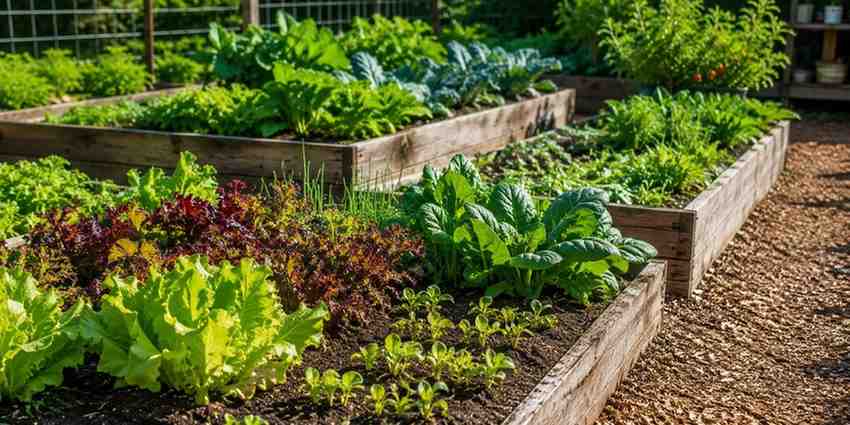
Quick recap: instead of planting all your lettuce or radishes at once, plant a small new batch every 1-2 weeks. This “succession planting” trick means you’re harvesting continuously through fall instead of getting one big flush of vegetables all at the same time (and then nothing).
Fast-growing crops like lettuce, spinach, and radishes are ideal for this approach since they mature quickly enough to fit multiple rounds into the fall window.
8. Extend the Season With a Cold Frame or Row Cover
This is the trick most beginners skip and it’s the one that can genuinely stretch your harvest by weeks or even months. A simple DIY cold frame (essentially a mini unheated greenhouse) or a lightweight row cover traps warmth and blocks frost, letting cold-hardy greens keep producing well past your first freeze.
Row covers are the lower-effort option: just drape breathable fabric over hoops or stakes and secure the edges. For a bigger payoff, a cold frame built from an old window and some scrap wood can keep lettuce and spinach going through much of winter in many climates.
But there’s a catch: ventilate cold frames on sunny days trapped heat can actually cook your plants if the frame isn’t vented.
9. Clear Out Summer Crops and Amend the Soil First
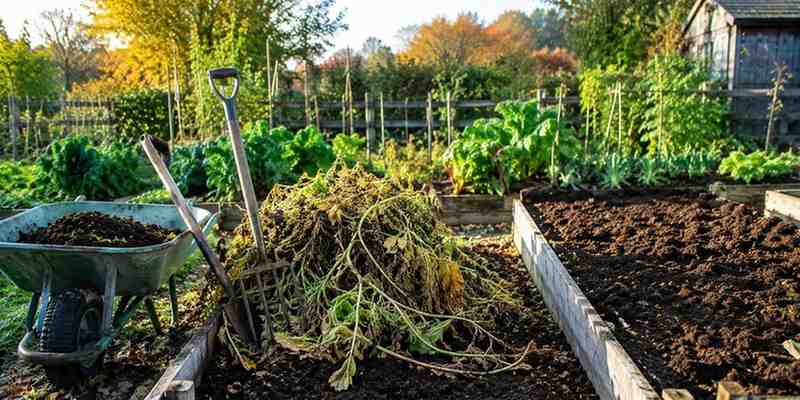
Before planting anything new, clear out spent summer vegetables, weeds, and debris, then work compost or aged manure into the soil. Fall crops are working with a shorter growing window than spring or summer ones, so they need soil that’s ready to support fast, healthy growth right away not soil that’s depleted from a full summer of production.
This is also a great moment to test your soil pH, since most fall vegetables prefer a slightly acidic to neutral range (roughly 6.0-7.0).
10. Grow a Fall Herb Garden Alongside Your Vegetables
Fall cooking means soups, roasts, and casseroles and a fresh herb bed right outside the kitchen door means you’re never reaching for the dried stuff. Hardy herbs like rosemary, sage, thyme, and mint handle cooler temperatures well and can often be planted right alongside (or interspersed with) your vegetable beds.
Shorter-lived herbs like basil, cilantro, and parsley can still work outdoors in early fall, or move to a sunny windowsill once temperatures really drop.
11. Maximize Space With Containers and Vertical Growing
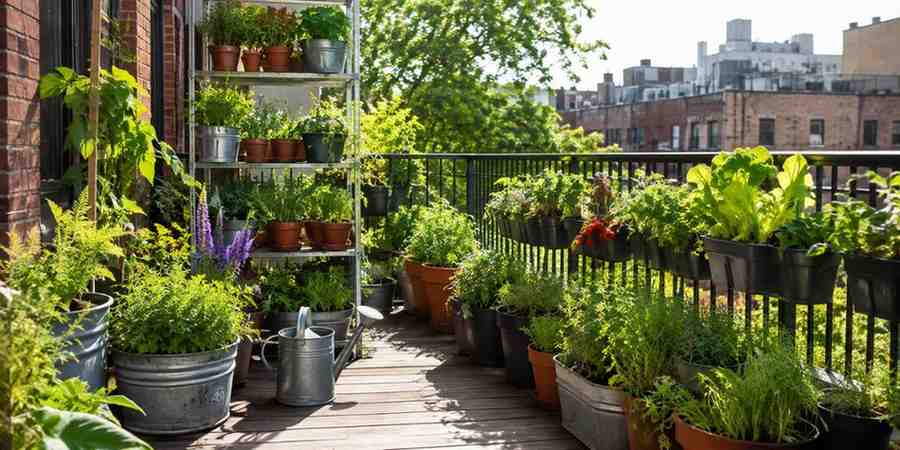
Don’t have a big yard? A fall vegetable garden doesn’t require one. Containers, grow bags, and vertical planters let you grow a genuinely productive fall harvest on a patio, balcony, or small side yard.
Root vegetables and greens both do well in containers, and self-watering planter boxes (with a built-in water reservoir) take a lot of the guesswork out of consistent moisture especially helpful as watering needs shift with cooler, less predictable fall weather.
12. Choose Transplants Over Seeds When You’re Short on Time
If your summer heat is lingering and you’re worried about running out of growing season, starting from transplants (young starter plants) rather than seeds can save you weeks. This is especially useful for slower crops like broccoli and cabbage, where every extra week of maturity time matters.
Local nurseries typically stock fall-appropriate transplants right when you need them, which also takes the guesswork out of what will actually thrive in your specific climate.
13. Plan a Layout That Maximizes Every Inch
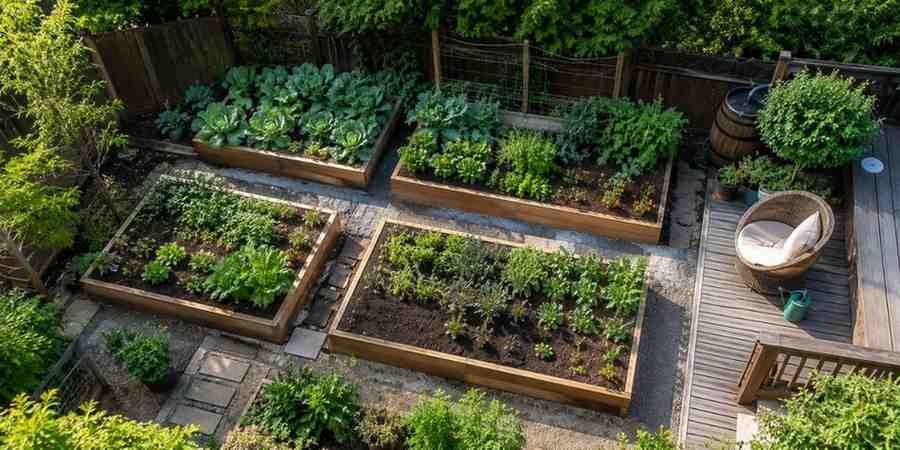
A little planning goes a long way in a fall garden, where space and time are both more limited than in summer. Square-foot gardening (dividing beds into small, densely-planted grid sections) is a popular approach for squeezing more harvest out of a smaller footprint.
Group fast growers (greens, radishes) together for easy succession planting, and give slower, larger crops (broccoli, cabbage) their own dedicated space where they won’t get crowded out.
Bonus: Watch Your Watering as Temperatures Shift
As a true bonus tip: fall watering needs are trickier than summer’s “water every day” rule of thumb. Cooler air and shorter days mean soil dries out more slowly, so overwatering becomes the bigger risk. Check soil moisture with a finger test before watering rather than sticking to a rigid schedule.
Frequently Asked Questions
What vegetables are best for a fall garden?
Cool-season crops like lettuce, spinach, kale, broccoli, cabbage, carrots, beets, and radishes are among the most reliable choices, since they tolerate cooler temperatures and light frost well.
When should I start planting my fall vegetable garden?
Most fall vegetables need to be planted in late summer, counting backward from your area’s average first frost date based on each crop’s days-to-maturity.
Do fall vegetables really taste better after a frost?
Yes many root vegetables and some greens, like parsnips, carrots, and kale, convert starches into sugars when exposed to cold, which genuinely sweetens their flavor.
Can I grow a fall vegetable garden in containers?
Absolutely. Greens, root vegetables, and herbs all adapt well to containers and grow bags, making a fall garden possible even without a full in-ground bed.
Final Thoughts
Fall isn’t the end of your growing season it’s a second, often easier one, with fewer pests and crops that thrive in the cooler air. Start by nailing down your first frost date, layer in fast greens and cold-hardy staples, and use tricks like mulching, succession planting, and a simple cold frame to stretch your harvest as far as it’ll go. Your future self, cooking with fresh-picked fall vegetables, will thank you.